• Skip to primary navigation
  • Skip to main content
  • Skip to primary sidebar

Robbins Farm Garden

A Cooperative Learning Project

  • About the Garden
  • Membership & Rules
  • Veggie School
  • Local History
  • Contact Us
  • 2022 Crops List
  • 2022 Garden Plans
  • 2022 Garden Schedule
  • 2022 Photos
  • 2022 Finances

Why We Grow Soybeans – 2012 edition

August 20, 2012 by Alan

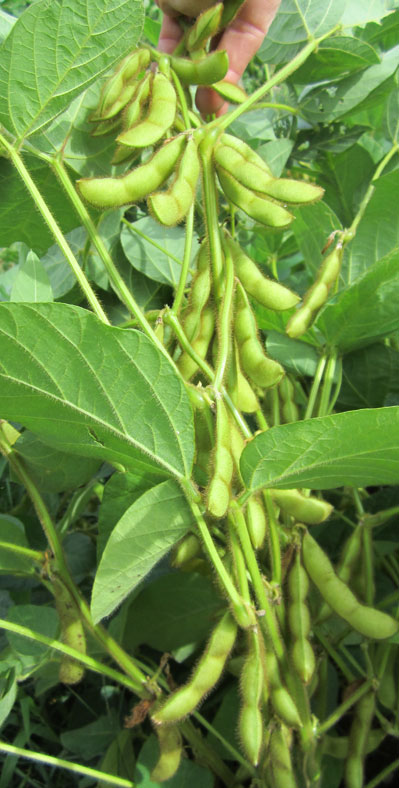
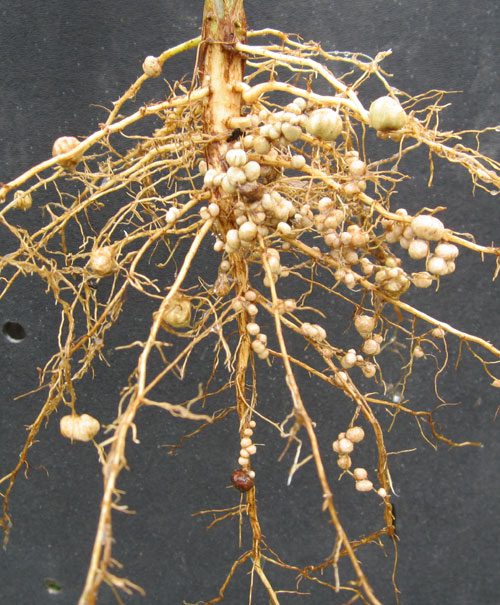
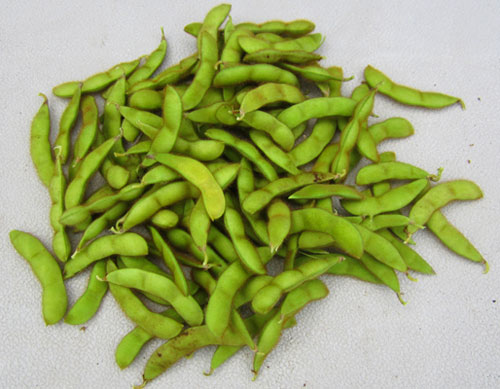
I picked 107 pods from this one soy plant – that’s about 321 delicious little edamame beans. I noticed that the roots of this plant were particularly loaded with nodules of nitrogen-fixing bacteria. Examining other plants, it was consistent that the largest plants with the highest yield had more nodules on their roots. Do more nodules make the plant healthier, or do healthier plants support more nodules?
Filed Under: Uncategorized

This day in the garden – August 11, 2012

August 13, 2012 by Alan

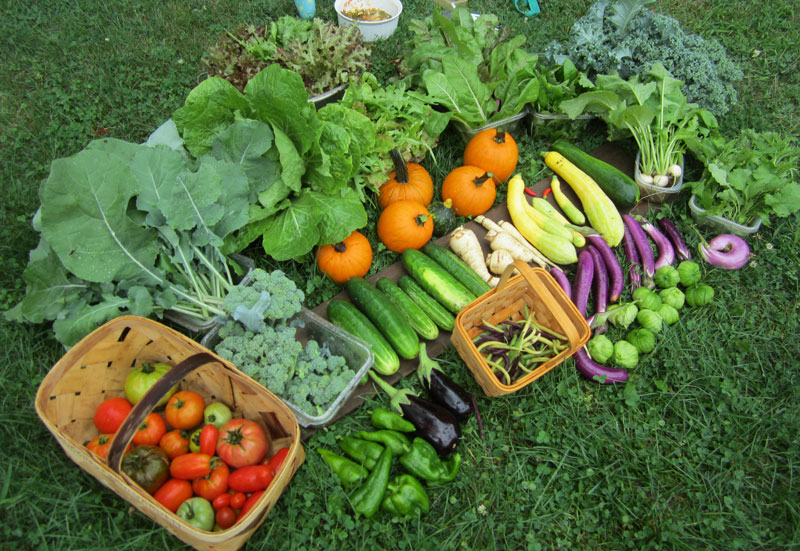
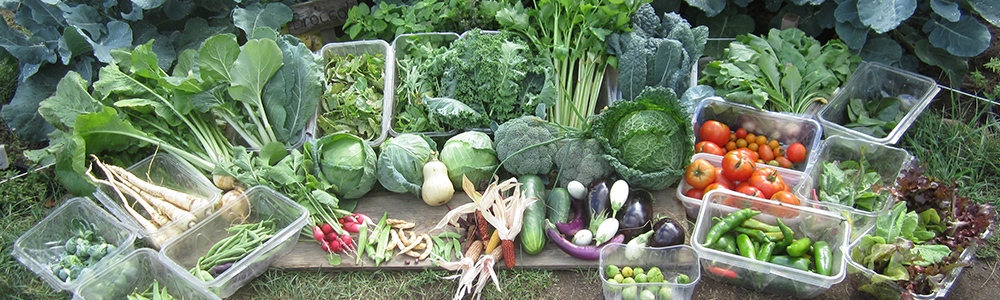
Here’s what we harvested today. Can you find the eggplant impersonating a bagel?


Filed Under: Uncategorized Tagged With: eggplant

How does your garden squash grow?

August 13, 2012 by Alan

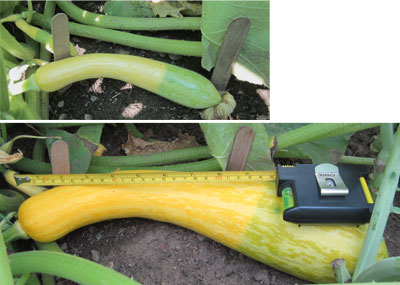
Squash growth, 4 daysWe know that summer squash grow so fast that if you miss one during harvest you’ll find a Moby Zuke in a few days. But I’m a left-brained geek who likes numbers, so I planted some reference sticks next to a young Zephyr on Saturday, August 4 and checked it four days later on August 8. It had just about doubled in length and more than tripled in girth, well on its way to blimpness. That’s how fast a summer squash can grow. I picked it immediately before it could scare any dogs or small children.
Filed Under: Uncategorized

Another way to cook greens

August 11, 2012 by Sue

I love the greens from our garden and, really, never get tired of cooking them in a very simple way.  Usually, I saute onions in olive oil, then add the greens (collards, kale, chard, mustard and turnip greens, in whatever combination was available on a gardening day).  I saute it all a bit, then add just enough water to facilitate steaming, and steam, covered, until the greens are tender.  Usually, I season with just salt, pepper and a little celery salt.  It’s perfect! We not only eat it hot with our dinner but, also, I put it cold on my salads for lunch.

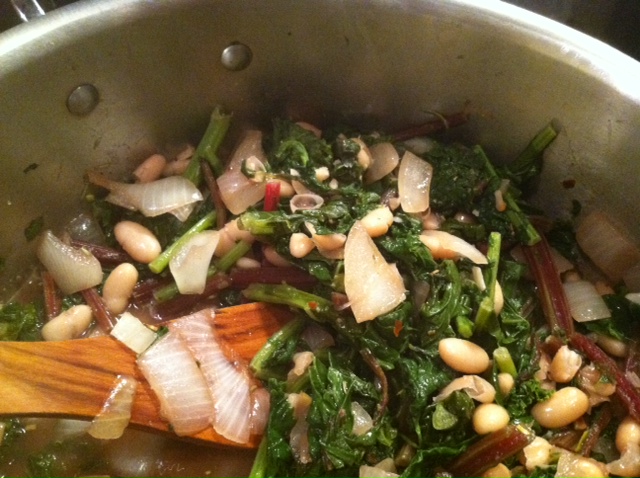
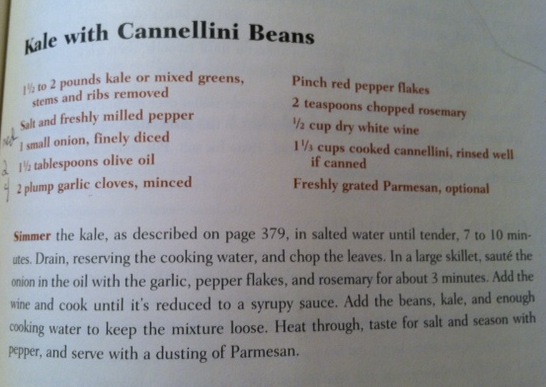
But, tonight, I wanted to try something different.  I turned to Deborah Madison’s “Vegetarian Cooking for Everyone” cookbook, my “bible” over the summer when the veggies are fresh and varied.  I chose the recipe “Kale and Cannellini Beans” but I used a mixture of greens from the Garden, kale along with Swiss chard, collard greens and some turnip greens (from salad turnips) instead of just kale.  I also used a vidalia onion.  Otherwise, I pretty much followed the recipe, though I used a bit more olive oil (2 Tbsp instead of 1.5) and garlic (4 instead of 2 cloves).  I used organic canned white kidney (cannellini) beans from Trader Joe’s, thoroughly rinsed.  I also used dried rosemary from Penzey’s, though it would have been better to have taken fresh rosemary home from the Garden.  I was too lazy to drive back up there to take some.  I used a very yummy Nobilo New Zealand Sauvignon Blanc for the dry white wine.  A bit of overkill, I guess, but it was what we had.  (I drank a glass while cooking the dish, and it was much appreciated.) Enjoy!

Filed Under: Notes to the Future

Onions can walk…?!? Whaaaaat!?!

August 10, 2012 by Mike Smith

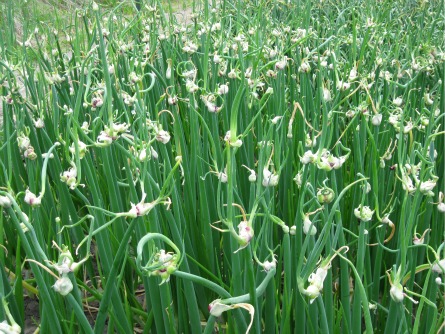
Another very interesting plant that I want to recommend that we grow next season is the Egyptian Walking Onion.  They are also commonly called tree onions, top onions, or topsetting onions (Allium cepa var. proliferum ).

A field of Walking Onions 


Bulblets forming at the tops of the stems

This hardy perennial onion, unlike most other types of alliums, grows bulblets (small bulbs) at the tops of its leaves.  These bulblets can be eaten (they’re very mild), or they can be planted just like onion sets to produce more walking onions.  The term "walking" refers to the fact that if the bulblets are left on the plant, they eventually get big and heavy enough to cause the stems to bend to the point where the bulblets come into contact with the soil, at which point the bulblets take root and start new plants.  Thus, these alliums can "walk" their way across your garden (if you let them).

For more on this amazing and alluring allium:

http://gardening.about.com/od/gardeningwithkids/ig/Vegetable-Gardening-with-Kids/Egyptian-Walking-Onion.htm

http://www.egyptianwalkingonion.com/

http://www.territorialseed.com/product/1327/80

http://en.wikipedia.org/wiki/Tree_onion

Filed Under: Notes to the Future

More on fermenting

August 8, 2012 by MichaelP

Just like my Sue, my sister of the soil, I’ve just made my first-ever batch of sauerkraut, which spent four days on the counter before moving to the well-known "cool, dry place," which in my house is the fridge. Its base was Napa cabbage from the garden, and the secondary ingredients included both carrot and parsnip from the same source.

Honestly, I don’t really like sauerkraut — it’s "sauer!" — but I had my reasons to try it. First, is the locavore reason — what good is a bumper crop if your only choices are to give it to the neighbors or put it into the compost? 

Secondly, I was writing a story about natural fermentation, the centuries-old method of food preservation, for the Boston Globe, and wanted to have a feel for what I was talking about. It’s one of the privileges of journalism, to learn and experience more than I would if I didn’t have a need to know.

Anyway, the story was published this morning. Though it didn’t make the print version, the online presentation includes a tips box from Dan Rosenberg, founder and co-owner of Real Pickles, a Greenfield, Mass., company makes about a dozen products using only local produce and natural fermentation.

If remember to, I’m going to bring my kraut to the garden Saturday morning for a tasting. C’mon by!

Filed Under: Uncategorized Tagged With: cabbage

« Previous Page
Next Page »

Primary Sidebar

2026

  • 2026 Crops List
  • 2026 Garden Plans
  • 2026 Garden Schedule
  • 2026 Watering Schedule
  • 2026 Photos

2025

  • 2025 Crops List
  • 2025 Garden Plans
  • 2025 Garden Schedule
  • 2025 Watering Schedule
  • 2025 Photos
  • 2025 Finances

2024

  • 2024 Crops List
  • 2024 Garden Plans
  • 2024 Garden Schedule
  • 2024 Photos
  • 2024 Finances

2023

  • 2023 Crops List
  • 2023 Garden Plans
  • 2023 Garden Schedule
  • 2023 Photos
  • 2023 Finances

2022

  • 2022 Crops List
  • 2022 Garden Plans
  • 2022 Garden Schedule
  • 2022 Photos
  • 2022 Finances

2021

  • 2021 Crops List
  • 2021 Garden Plans
  • 2021 Garden Schedule
  • 2021 Photos
  • 2021 Finances

2020

  • 2020 Crops List
  • 2020 Garden Plans
  • 2020 Garden Schedule
  • 2020 Finances
  • 2020 Photos

2019

  • 2019 Crops List
  • 2019 Garden Plans
  • 2019 Garden Schedule
  • 2019 Finances
  • 2019 Photos

2018

  • 2018 Crops
  • 2018 Garden Plans
  • 2018 Garden Schedule
  • 2018 Photos
  • 2018 Finances

2017

  • 2017 Crops
  • 2017 Garden Plans
  • 2017 Crop Schedule
  • 2017 Photos
  • 2017 Finances

2016

  • 2016 Crops
  • 2016 Garden Plans
  • 2016 Crop Schedule
  • 2016 Finances
  • 2016 Expenses

2015

  • 2015 Crops
  • 2015 Garden Plans
  • 2015 Crop Schedule
  • 2015 Finances
  • 2015 Expenses

2014

  • 2014 Crops
  • 2014 Garden Plan
  • 2014 Crop Schedule

2013

  • 2013 Crops List
  • 2013 Garden Plan
  • 2013 Crop Schedule
  • 2013 Photos

2012

  • 2012 Crops
  • 2012 Garden Plan
  • 2012 Crop Schedule

2011

  • 2011 Crops
  • 2011 Seeds
  • 2011 Garden Plan
  • 2011 Expenses
  • 2011 Project Proposal
  • 2011 Supporters

2010

  • 2010 Crops
  • 2010 Seeds
  • 2010 Expenses
  • 2010 Supporters
  • 2010 Veggie Adoptions
  • 2010 Pilot Project Report

Recipe Collection

Log In

Members Only

  • Contact information
  • Log Out

Copyright © 2026 · Genesis Child Theme for Robbins Farm Garden on Genesis Framework · WordPress · Log in