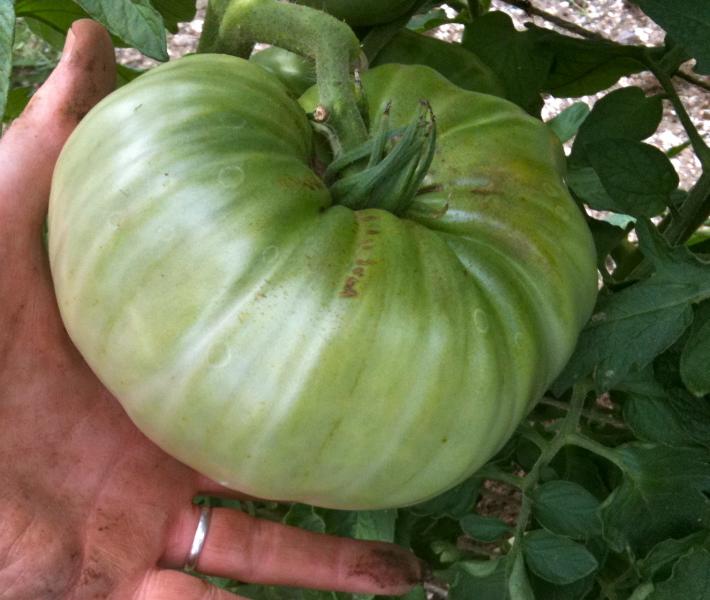
The Beefmaster tomato plant is living up to its reputation and producing many extremely large tomatoes. This is the largest- maybe not full-sized yet!
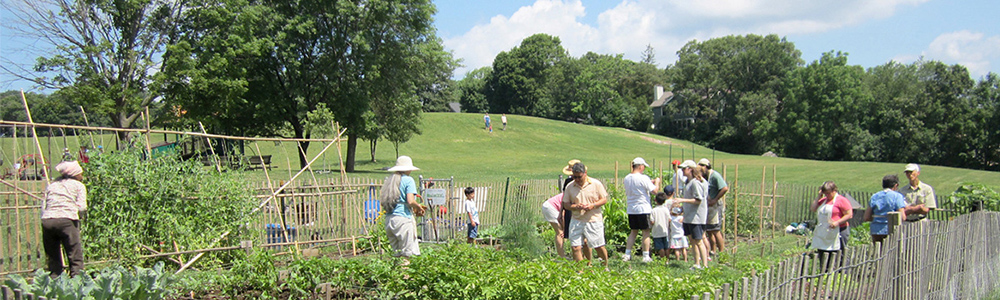
A Cooperative Learning Project

The Beefmaster tomato plant is living up to its reputation and producing many extremely large tomatoes. This is the largest- maybe not full-sized yet!
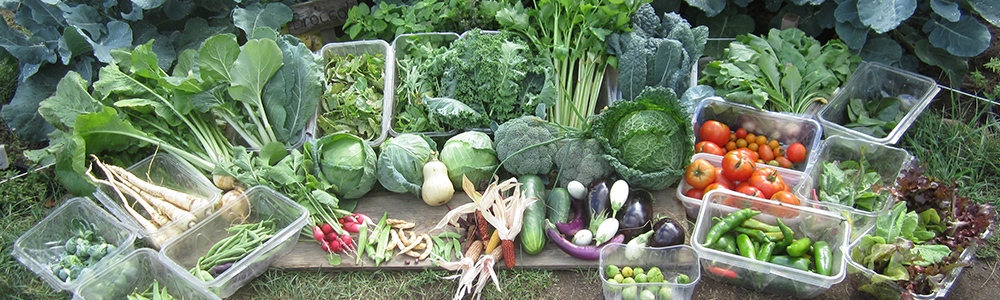
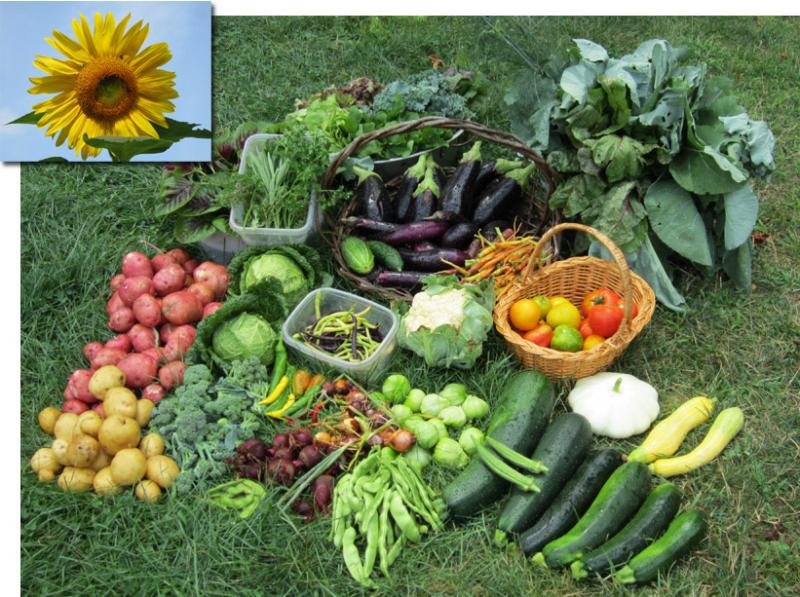
Picked our first sunflowers, cauliflower, okra, and soybeans. We dug the last of the potatoes. Spinach will go in where the spuds came out.
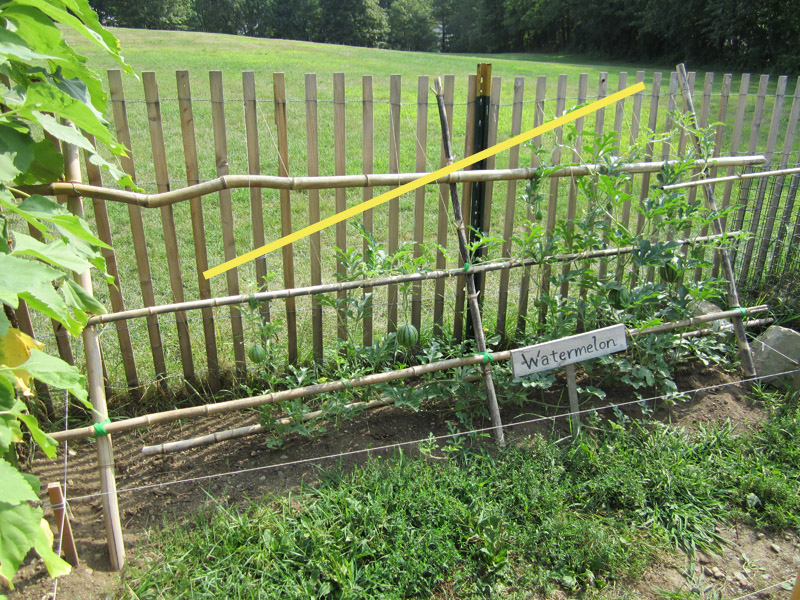
These are the watermelons on August 6. Notice how much taller the plants on the right are. This is because the plants towards the left are being shaded for a few hours by the sunflowers on the left.
I noticed that some of the winter squash leaves were wilting. To me, this is clearly an indication of the presence of a squash vine borer. I gave it a couple days, and it was only getting worse.
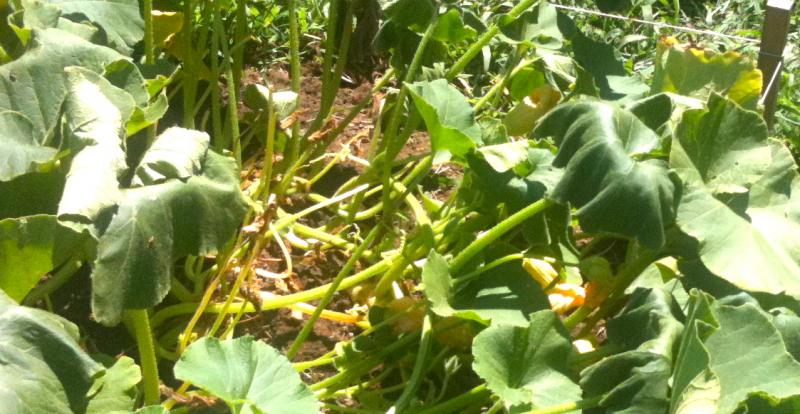
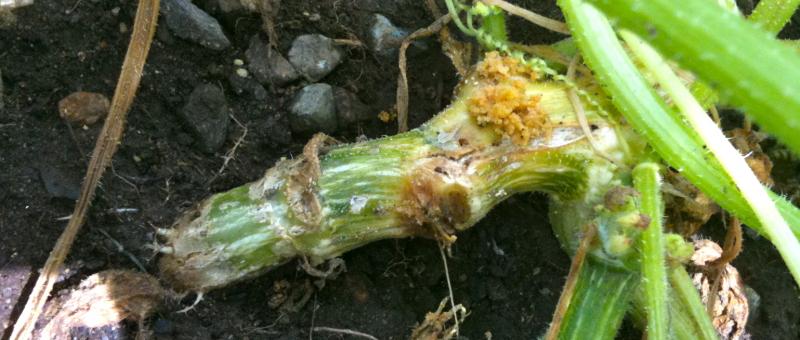
In addition to the wilted leaves, we also appeared to have small holes in the vines near the base, and "yellow brown excrement".
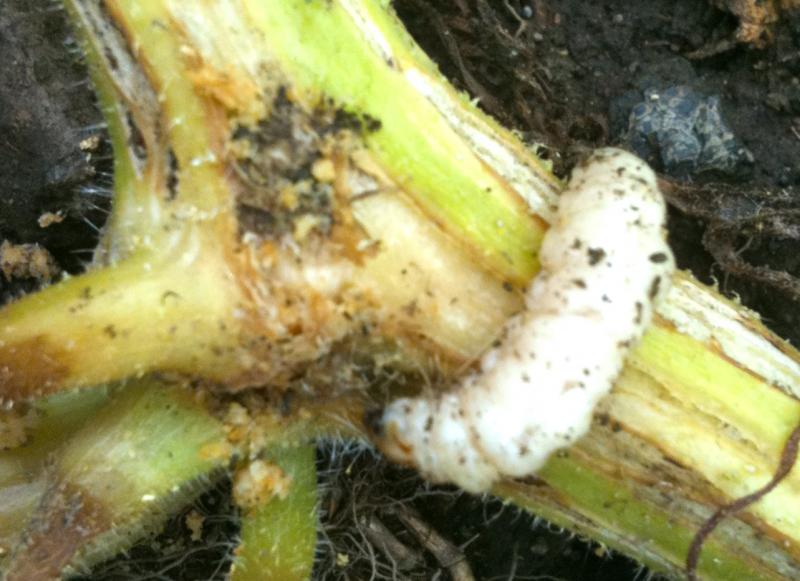
To find the worm, I pressed along the main vine starting at the base until I found a soft spot (which was on the bottom of the vine). I then used a knife to cut into this spot until I could spot a worm. This is the larger worm I dug out of the squash vine.
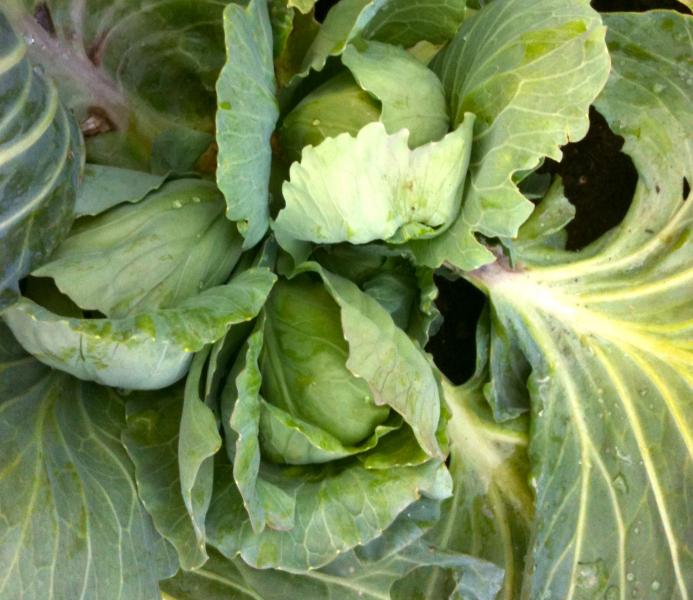
Normally, when cabbage is ready to harvest we just pull the whole plant out of the ground and lop off the roots. However, we were told by someone that it is possible to have multiple crops of cabbages on the same plant if we don’t pull the entire plant. We are trying this experiment with several of our cabbage plants- both the plain green cabbage and the Savoy. This plant seems to have as many at 7 new cabbages growing from the original plant. Supposedly the cabbages will be quite a bit smaller, but hopefully they will taste as good.
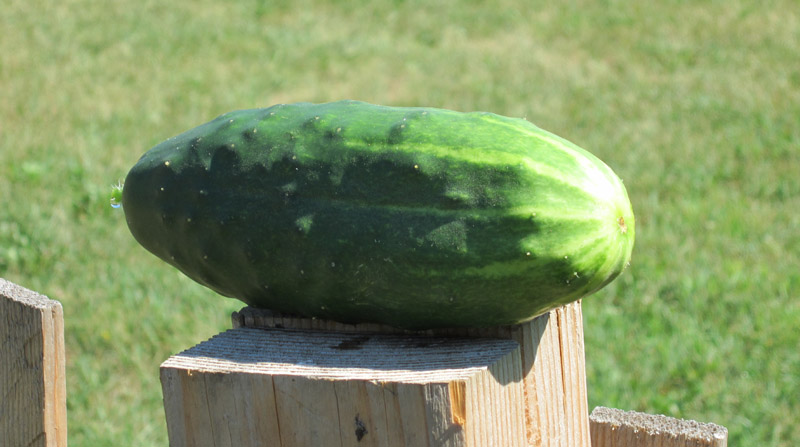
And a thing of beauty it is.